Japan Cake Journal

Baking guides, regional recipes and home kitchen notes

Troubleshooting Column

Souffle Cheesecake Troubleshooting for Small Ovens

Cracks, sinking and a wet centre, read one by one

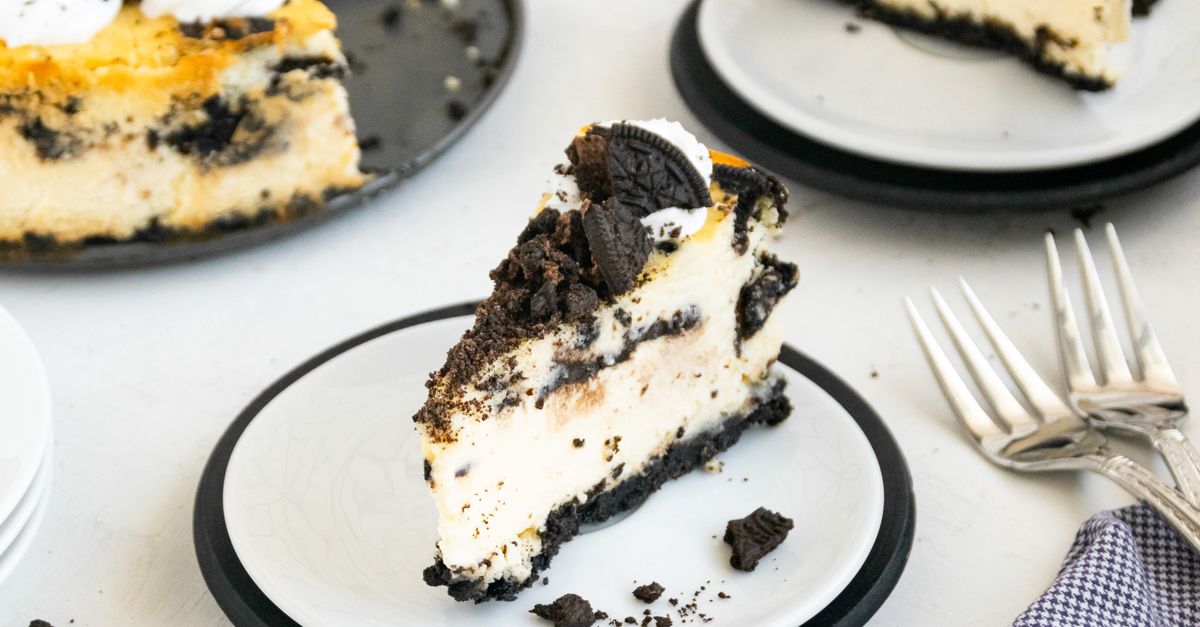
Sliced cheesecake on a plate with a soft browned top and a knife nearby

Most souffle cheesecake letters that reach the desk do not describe a broken recipe. They describe a small oven. A narrow cavity with a strong top element pushes heat down onto the surface long before the middle has set, and the water bath only helps if the pan sits deep enough for steam to reach the sides. Read the three symptoms below as separate problems, because the fix for one usually makes another worse.

Cracks across the top

A split that opens early and runs to the edge is almost always a surface setting before the interior has caught up. In a small oven the top element sits close to the batter, so the crust firms while the centre is still liquid. Lower the shelf by one position, drop the temperature, and check whether your oven runs hot at the back. Cracks that appear late, after the cake has already risen and browned, usually point to a fast temperature swing rather than a mixing fault.

A sunken middle

A dip that forms as the cake cools is a timing problem, not a folding problem. If the middle falls while the edges stay high, the structure never finished setting before the oven door opened. Small ovens lose heat quickly, so even a short peek can drop the temperature enough to collapse the centre. Leave the door closed for the full bake, and let the cake cool inside with the door propped slightly open rather than pulling it straight onto the counter.

A custardy centre

This is the symptom that worries readers most, and it is often not a fault at all. A souffle cheesecake pulled from the oven will look underdone at the middle, wobble when the pan is nudged, and read soft on a skewer. That is expected. The centre continues to set as it cools, and a cake that looks firm straight from the oven usually ends up dry. Judge the bake by the set edges and a gentle jiggle in the middle, not by a clean skewer.

What the water bath is actually doing

The bath is not there to cook the cake. It moderates the heat reaching the base and adds steam to a dry oven cavity. If the pan sits too high, the water does nothing and the bottom sets hard. If it sits too low, water can seep in through the foil. Aim for the pan to sit about halfway into the water, with a double layer of foil around the base, and top up with hot water if the level drops during the bake.
Souffle Cheesecake Troubleshooting for Small Ovens

Chiffon is a structure problem before it is a flavour one. Oil, liquid and a folded meringue decide whether the cake climbs the tube pan or sinks back into it. These four columns work through the method, the sourcing and the corrections readers send in.

Square sponge cake on a wooden board beside a whisk and a bowl of batter

Castella Basics: Reading the Batter Before It Hits the Oven

Why bread flour, honey and a slow fold decide the crumb

Castella looks simple on paper: eggs, sugar, bread flour, honey and mirin. In a home kitchen the difficulty sits in the batter, not the ingredient list. This guide walks through the order of mixing, how far to whip the eggs, and what the surface should look like before the pan goes in. It also covers the two failures most readers write in about, a dense bottom layer and a top that browns before the centre sets, and what each one usually means about oven position and timing.

Read the castella guide
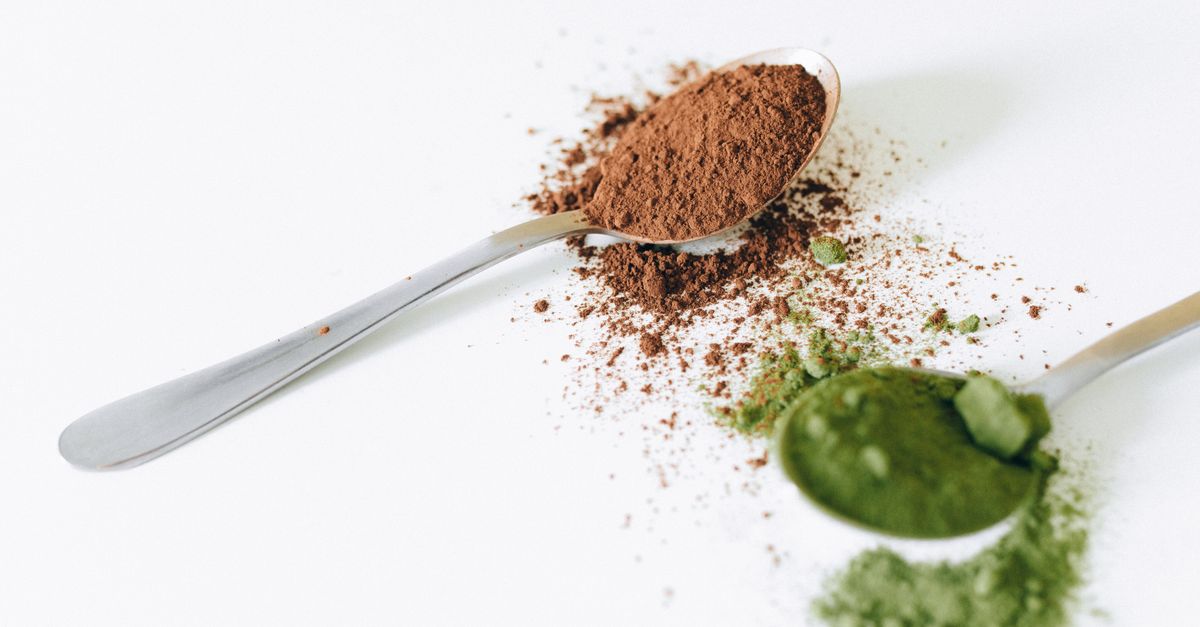
Small bowls of green tea powder and dark bean paste on a counter with a spoon

Anko and Matcha in Johannesburg: What the Shelves Actually Carry

Notes on tinned paste, loose powder and the labels worth reading

Anko and matcha are the two ingredients readers ask about most, and the answers depend on what is actually on the shelf. This column looks at the difference between smooth and chunky red bean paste, how sugar content changes the way it behaves in a dough, and why culinary matcha and drinking matcha are not interchangeable in baking. It also covers storage once a tin or pouch is open, since humidity in a Johannesburg summer does more damage than most bakers expect.

Read the sourcing column
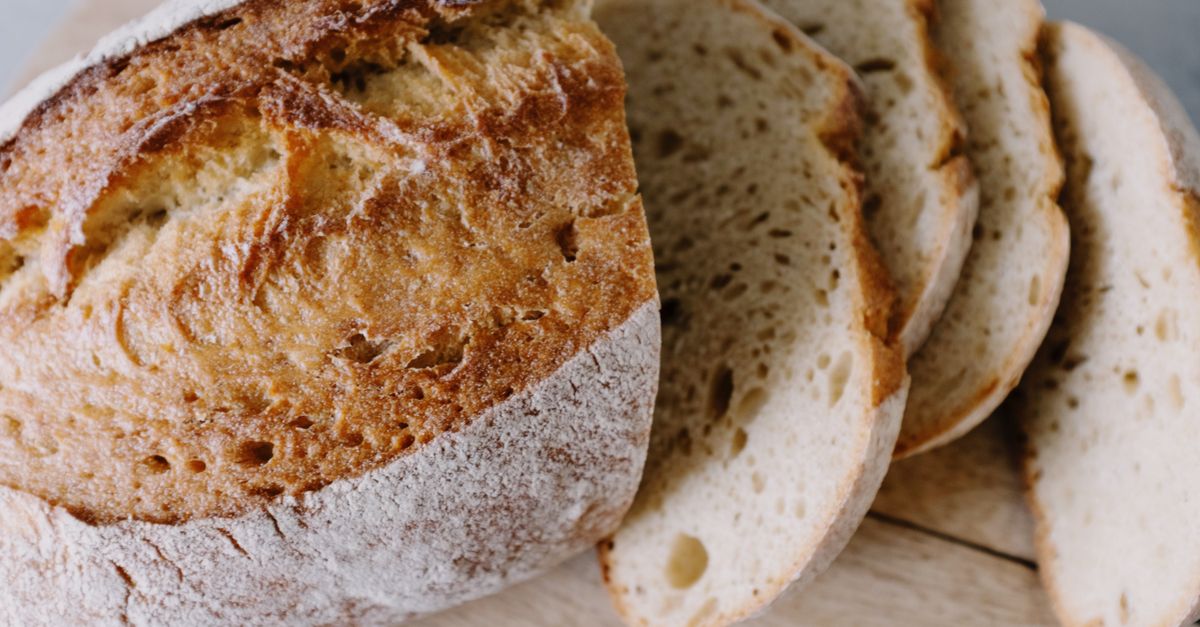
Sliced white milk bread loaf on a wooden surface with soft square slices

Shokupan in a Home Oven: Flour, Tangzhong and the Pull-Apart Crumb

Adjusting a soft milk bread for local flour strength

Shokupan depends on a soft, even crumb, and the tangzhong method is what usually gets a home baker there. Local bread flours vary in protein and absorption, so a recipe written elsewhere can come out tight or dry. This piece explains what the cooked flour paste does to the dough, how to judge hydration by feel rather than by the numbers alone, and how to shape the loaf so the slices hold together for sandwiches. It closes with notes on cooling and storing, which matter more than most recipes admit.

Read the shokupan notes
Tall ring-shaped sponge cake on a stand with a slice cut away

Reader Test Kitchen: Three Chiffon Attempts, One Working Adjustment

What changed when the oven was lowered and the tube pan was swapped

This month the test kitchen worked through three chiffon submissions from readers, each with a different problem: a cake that tore on unmoulding, one that shrank away from the pan, and one that tasted fine but felt heavy. The column records what each baker did, what the crumb showed, and which single change moved the result. It also explains why a tube pan and a lower oven shelf solve more chiffon problems than any change to the ingredient list.

Read the test kitchen report