Technique
Castella Basics: Reading the Batter Before It Hits the Oven
Why bread flour, honey and a slow fold decide the crumb, and what a dense bottom layer usually tells you about oven position and timing.
Read the castella guideBaking guides, regional recipes and home kitchen notes
Independent food newspaper
A working desk for home bakers in South Africa, not a gallery of styled photos.
We cover castella and chiffon method, souffle cheesecake troubleshooting, and where anko and matcha actually turn up on shelves in Johannesburg and Cape Town. Recipes are written in grams first, with timings for small kitchens and standard home ovens. There is a reader test kitchen, seasonal fruit adaptations for the Southern Hemisphere, and a short glossary that explains tangzhong, kuromitsu and shokupan without talking down to anyone.
Reader submissions are open, and the monthly bake-along runs on your photos and corrections. More about the desk · Send a note
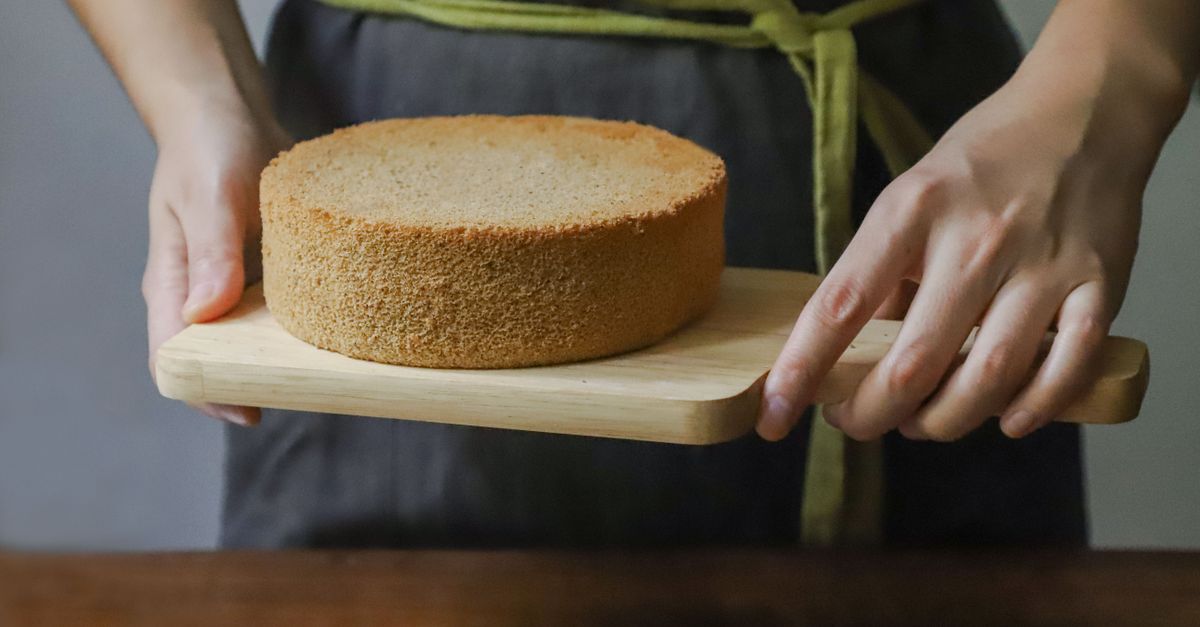
If you have never baked a castella, the basics guide is the honest place to begin. It walks through the fold, the whip and the moment the pan goes in, then points you into the chiffon archive once the crumb holds.
Reader notes, corrections and bake-along photos are welcome at the desk. See how the paper works or send a note to the editorial desk.
Pieces that pick up where the front page leaves off. Start with the castella batter, then follow the thread into chiffon and the small-oven problems readers keep writing in about.
Related reading
Technique
Why bread flour, honey and a slow fold decide the crumb, and what a dense bottom layer usually tells you about oven position and timing.
Read the castella guideTroubleshooting
Cracks, a sunken middle and a custardy centre read one by one, with the water bath depth and shelf adjustments that usually help.
Work through the symptomsArchive
Sourcing notes on anko and matcha, shokupan baked in a standard home oven, and the reader test kitchen reports that follow each bake-along.
Browse all postsFive things the paper does properly, so a bake in a normal home kitchen has a fair chance of working the first time.
Castella and chiffon are taught as technique: how far to whip the eggs, how the batter should fall off the whisk, when the fold is finished. You get the reasoning, not just the steps.
Cracks, a sunken middle, a custardy centre, a dense bottom layer. Each one is treated as its own problem, with the oven position and timing adjustments that usually settle it.
Anko and matcha sourcing notes for Johannesburg and Cape Town, including how to read a label and how sugar content changes the way a paste behaves inside a dough.
Recipes are written in grams, with timings planned around small kitchens and standard home ovens rather than a professional deck.
Adaptations follow the Southern Hemisphere calendar, so a fruit column lands when the fruit is actually ripe here, not when a northern recipe says it should be.
Tangzhong, kuromitsu, shokupan and the rest are explained in ordinary words, so a term in a recipe never stops you mid-mix.
New here? Begin with the castella basics guide, then read how the desk works on the about page.
We keep a small record of how visitors move through the journal so we can see which stories and recipes are actually useful. Nothing here is sold or shared with advertisers, and you can change your mind at any time. Read the full details in our privacy policy.