Castella
Reading the batter before it hits the oven
Bread flour, honey and a slow fold decide the crumb. A walkthrough of mixing order, how far to whip the eggs, and what the surface should look like before the pan goes in.
Read the guideBaking guides, regional recipes and home kitchen notes
Seasonal swaps only make sense once the base method is steady. These three pieces pick up where the fruit notes leave off: reading a batter before it bakes, fixing a souffle cheesecake that sinks, and the castella guide the whole archive leans on.
Castella
Bread flour, honey and a slow fold decide the crumb. A walkthrough of mixing order, how far to whip the eggs, and what the surface should look like before the pan goes in.
Read the guideTroubleshooting
Cracks, a sunken middle and a custardy centre are three separate symptoms. This column reads each one against heat, water bath depth and shelf position.
Work through the fixesTest kitchen
Reader submissions compared side by side: a cake that tore on unmoulding, one that shrank from the pan, and one that felt heavy despite a clean bake.
See the correctionsSeasonal swaps are adjustments, not new formulas. The base method stays put while the fruit layer changes.
A castella baked in a Johannesburg kitchen in February meets ripe white peaches; the same formula in July leans on citrus and stored apples. We keep the crumb structure as the fixed point and move only what sits inside or on top of it. That is the difference between a tested adjustment and a guess dressed up as a rule.
We do not rewrite the batter to suit a fruit. Instead we note what the fruit does to moisture, sugar and bake time, then adjust only that layer. Soft fruit gets folded lightly so the crumb is not crushed; firm fruit is sliced thin so it steams evenly through the bake.
Matcha sits well with tart berries, anko with stone fruit, and chiffon takes citrus zest far better than a heavy puree. Each pairing is written down because it survived a test bake, not because it looked good in a photograph.
Some swaps change more than flavour. When a fruit adds enough water to alter the set, or enough acid to affect the whip, the note says so plainly and explains what to watch in the pan. Readers get the warning before the bake, not after.
The reasoning behind these calls sits in the same place as the rest of the paper. If you want the background on how the desk works, read about the editorial desk, or send a seasonal note through the contact page.
Four moments from the adaptations column, each one showing how a fixed base formula meets fruit that arrives on a Southern Hemisphere clock. The method notes matter more than the fruit itself.
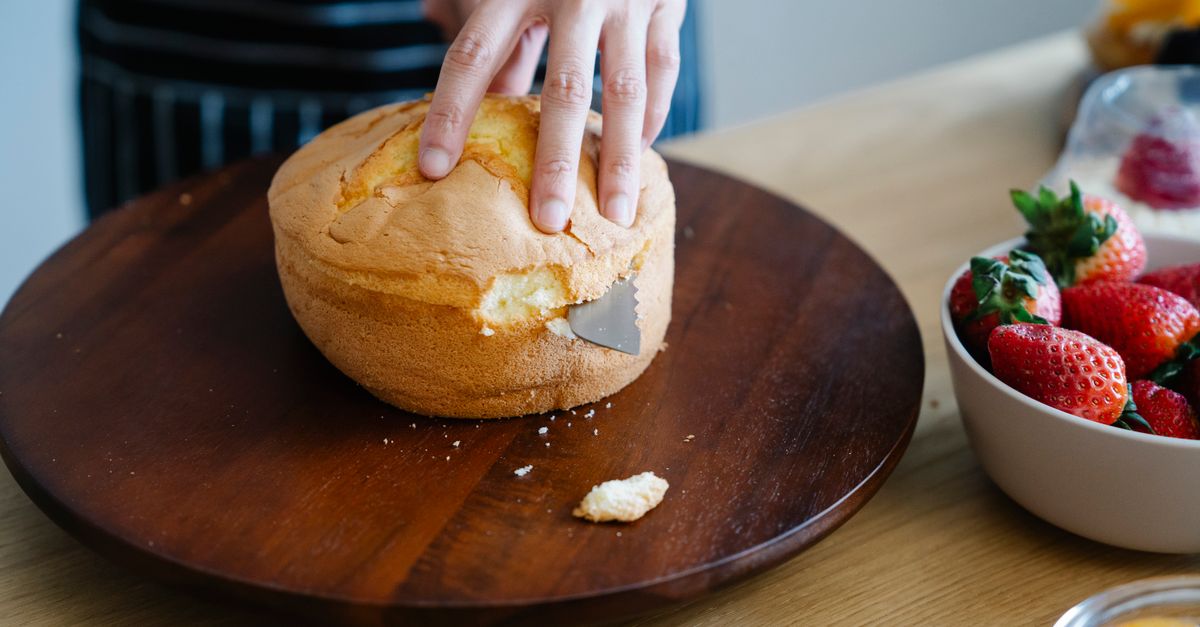
Ripe white peaches release a lot of water. The base batter stays untouched; the fruit is drained on paper for twenty minutes and laid on top only in the last stretch of the bake, so the crumb underneath does not turn gummy.
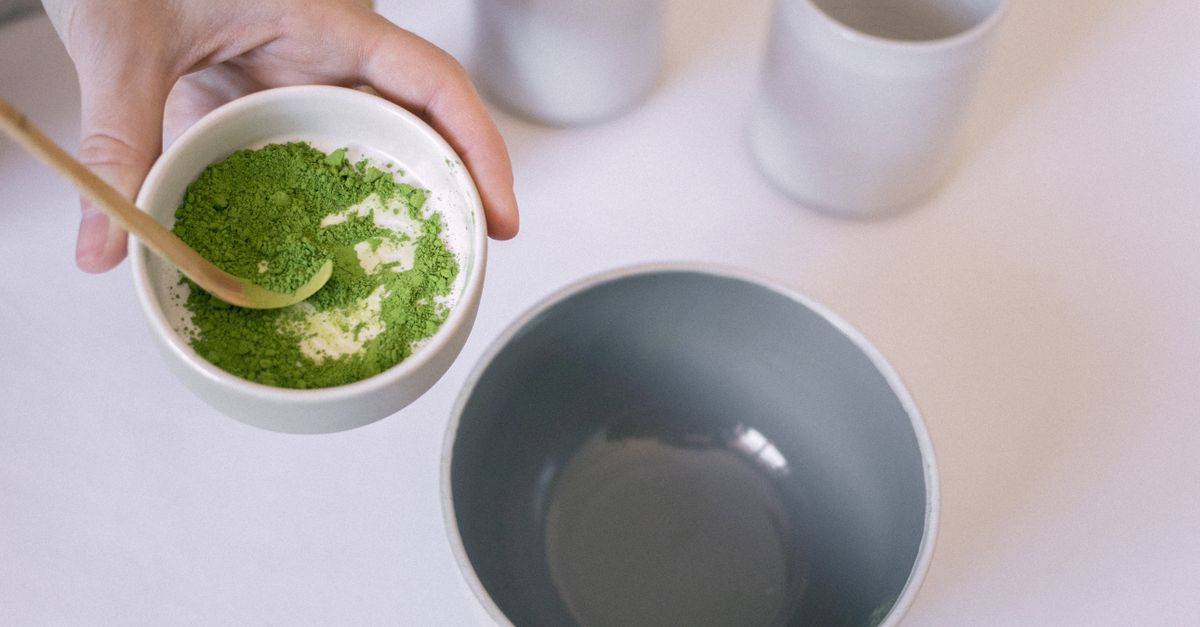
Culinary matcha reads bitter next to sweet fruit, so the column pairs it with raspberries and sour cherries instead. Berries go in whole and frozen, never thawed first, otherwise the colour bleeds through the crumb.
When fresh stone fruit is gone, anko carries the flavour instead. A thin layer under sliced stored apples keeps the sweetness in check, and the paste is warmed slightly so it spreads without tearing the surface.
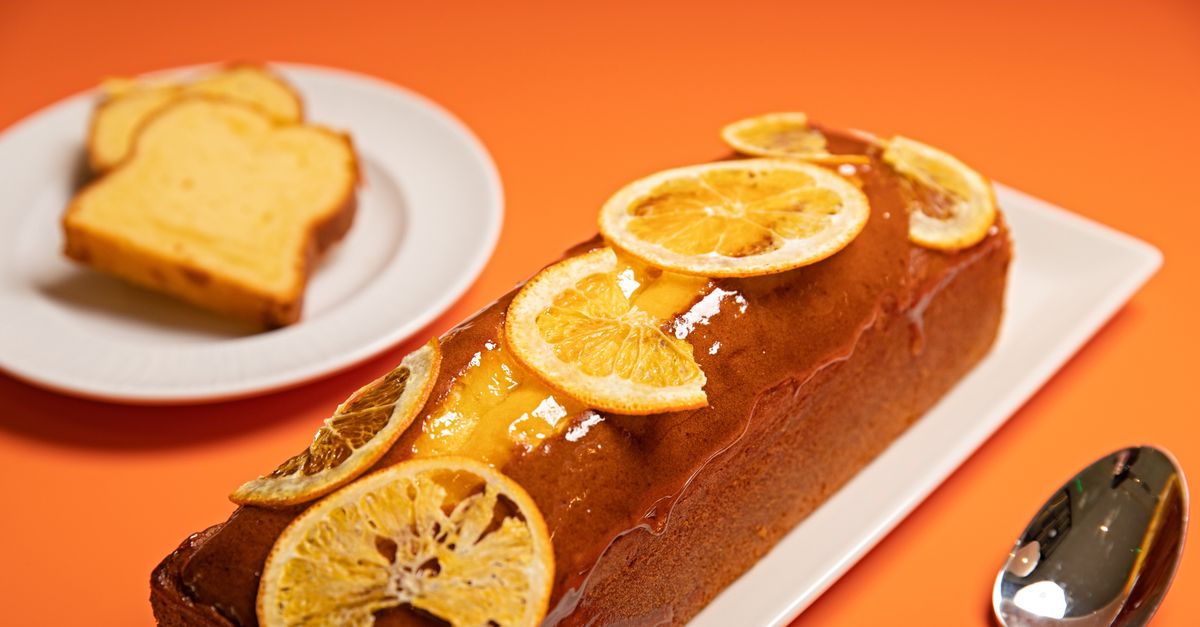
Chiffon holds zest far better than a heavy purée, which weighs down the foam. The column keeps the formula fixed and adds only grated peel, with a note on when a swap changes structure rather than just flavour.
We keep a small record of how visitors move through the journal so we can see which stories and recipes are actually useful. Nothing here is sold or shared with advertisers, and you can change your mind at any time. Read the full details in our privacy policy.