Japan Cake Journal

Baking guides, regional recipes and home kitchen notes

Bread technique

Shokupan in a Home Oven: Flour, Tangzhong and the Pull-Apart Crumb

Adjusting a soft milk bread for local flour strength

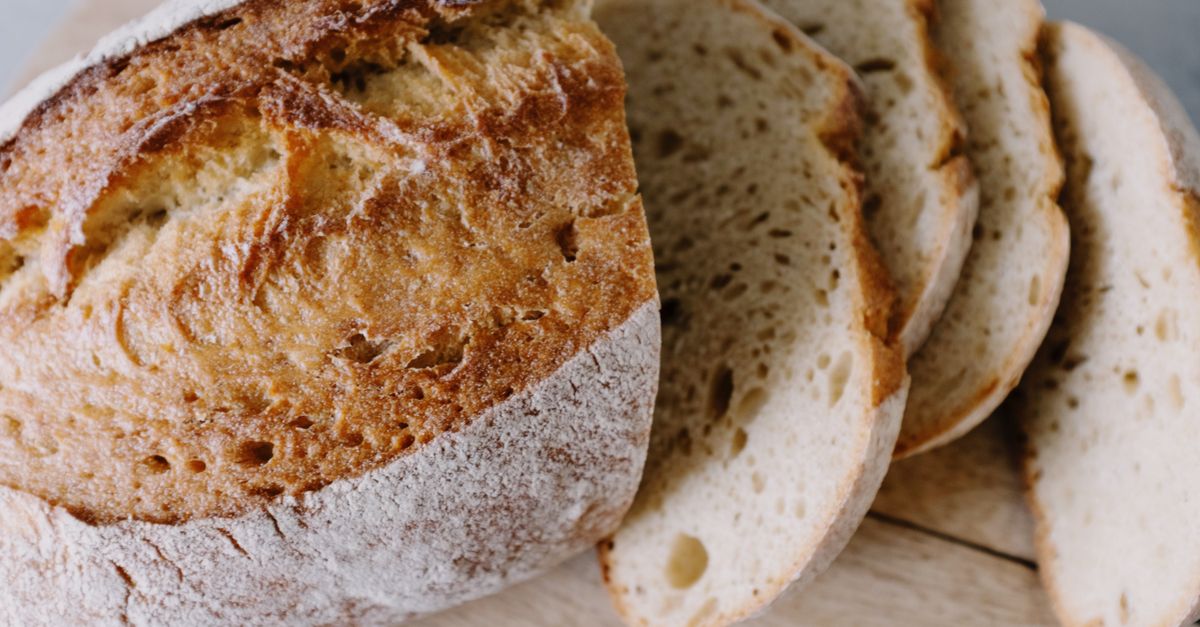
Sliced white milk bread loaf on a wooden surface with soft square slices

Shokupan lives or dies on the crumb. You want slices that bend without tearing, a soft interior that pulls apart in strands, and a crust thin enough to forget about. The tangzhong method is the usual route to that texture, and it is also where most home bakers in South Africa hit their first wall, because the flour in the cupboard is rarely the flour the original recipe was written around.

Tangzhong is a cooked paste of flour and liquid, usually water or milk, heated until it thickens and the starch gelatinises. When it goes into the dough, that pre-gelatinised starch holds water far better than raw flour does. The result is a dough that stays soft for days and bakes into a loaf with a finer, more even cell structure. It is not a shortcut and it is not optional if you want the pull-apart crumb. Skipping it gives you a decent milk bread, but not shokupan.

Why local flour changes the numbers

Bread flours sold here vary in protein and, more importantly, in how much water they will take before the dough turns slack. A recipe written for a 12 percent protein flour can come out tight and dry when your flour sits closer to 11 percent, or sticky and hard to shape when it runs higher. The tangzhong paste absorbs part of that variation, but it does not erase it. Treat the liquid in any recipe as a starting point, not a fixed instruction.

Reading hydration by feel

Judge the dough, not the scale. After the tangzhong is fully incorporated and the dough has kneaded for a few minutes, it should feel tacky but not wet, and it should clear the side of the bowl while still sticking slightly to the bottom. If it climbs the hook in one mass, add liquid a spoonful at a time. If it spreads and never tightens, dust in flour the same way. Small corrections during kneading are normal with unfamiliar flour.

Shaping for slices that hold

Shokupan is usually baked in a pullman pan, and the shaping matters as much as the dough. Divide the dough into equal pieces, roll each into a flat oval, fold the sides in, then roll it up tightly from the short end. Place the rolls seam-side down so they fill the pan in a row. Tight rolls give you the vertical strands that make the loaf slice cleanly for sandwiches. Loose rolls leave gaps that turn into tunnels.

Cooling and storing

Let the loaf cool completely on a rack before slicing. Cutting while warm smears the crumb and releases steam that would otherwise stay in the bread. Once cool, keep it in a paper bag or a loosely closed container rather than a sealed plastic one, which traps moisture and softens the crust into a damp skin. Sliced and frozen, it holds well for weeks and toasts back to something close to fresh.
Shokupan in a Home Oven: Flour, Tangzhong and the Pull-Apart Crumb

Four columns the desk keeps coming back to. Each one starts with a question a reader sent in and works through it slowly, with grams, oven positions and the small adjustments that actually change the result.

Square sponge cake on a wooden board beside a whisk and a bowl of batter

Castella

Castella Basics: Reading the Batter Before It Hits the Oven

Castella looks simple on paper: eggs, sugar, bread flour, honey and mirin. In a home kitchen the difficulty sits in the batter, not the ingredient list. This guide walks through the order of mixing, how far to whip the eggs, and what the surface should look like before the pan goes in. It also covers the two failures most readers write in about, a dense bottom layer and a top that browns before the centre sets, and what each one usually means about oven position and timing.

Read the castella guide
Sliced cheesecake on a plate with a soft browned top and a knife nearby

Troubleshooting

Souffle Cheesecake Troubleshooting for Small Ovens

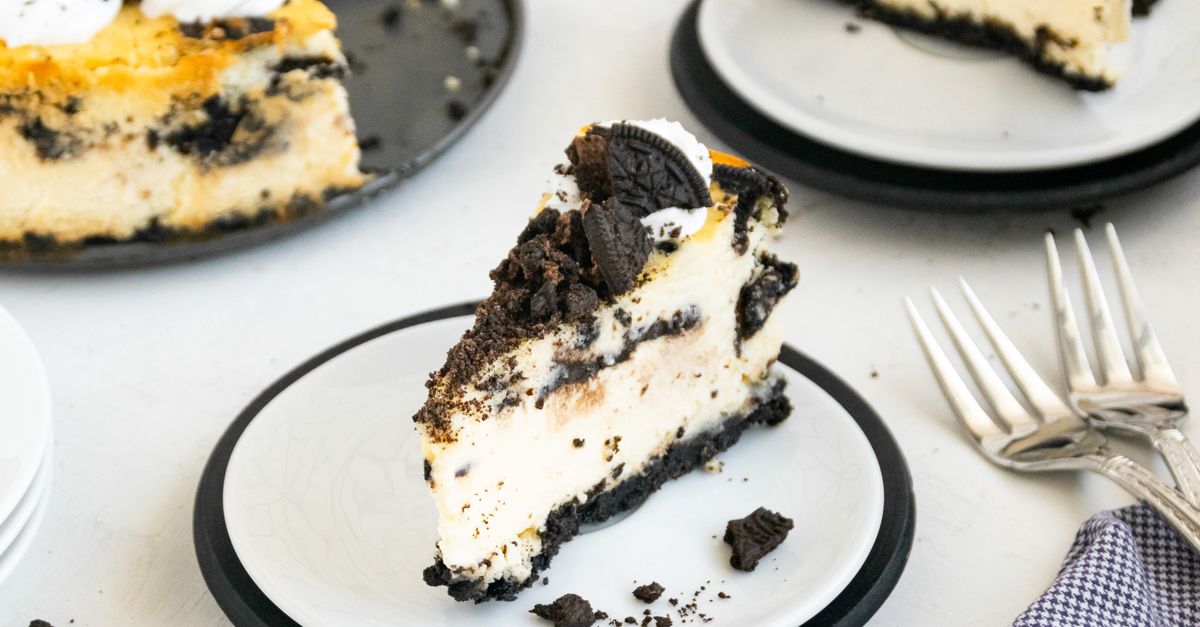
Most souffle cheesecake problems are not about the recipe but about heat and timing. A small oven with a strong top element behaves differently from a wide one, and the water bath only helps if the pan sits at the right depth. This piece works through cracking, a sunken middle and a custardy centre as separate symptoms, with the adjustments that usually help. It also explains why a cheesecake that looks underdone at the centre can still be correct once it cools.

Work through the symptoms
Small bowls of green tea powder and dark bean paste on a counter with a spoon

Sourcing

Anko and Matcha in Johannesburg: What the Shelves Actually Carry

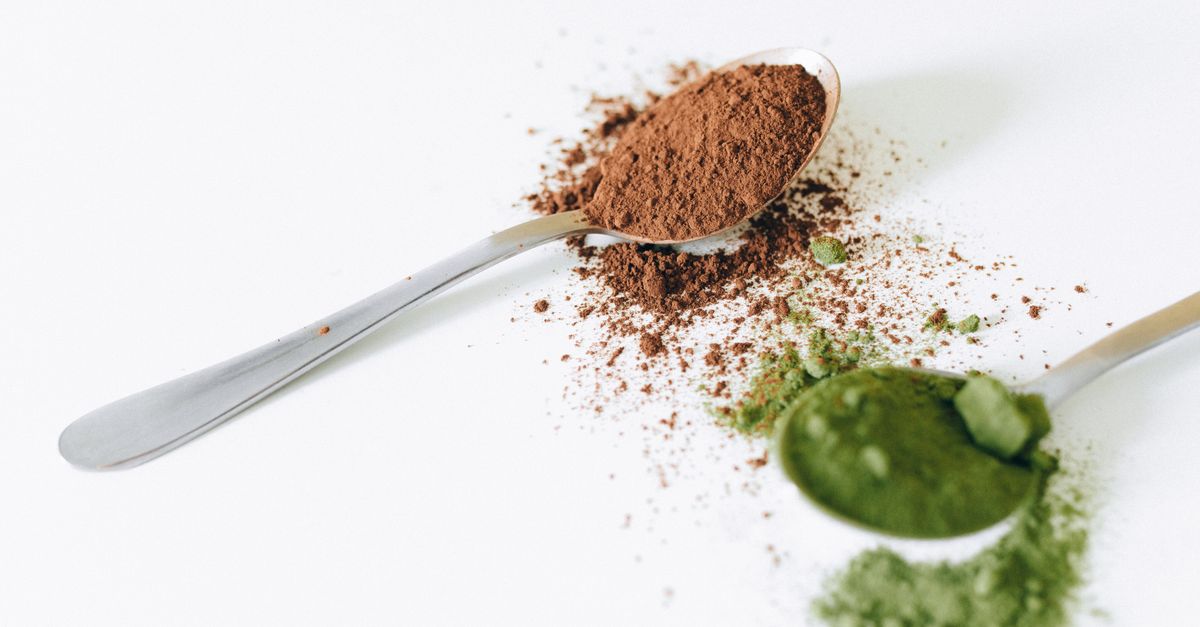
Anko and matcha are the two ingredients readers ask about most, and the answers depend on what is actually on the shelf. This column looks at the difference between smooth and chunky red bean paste, how sugar content changes the way it behaves in a dough, and why culinary matcha and drinking matcha are not interchangeable in baking. It also covers storage once a tin or pouch is open, since humidity in a Johannesburg summer does more damage than most bakers expect.

Read the sourcing notes
Tall ring-shaped sponge cake on a stand with a slice cut away

Test kitchen

Reader Test Kitchen: Three Chiffon Attempts, One Working Adjustment

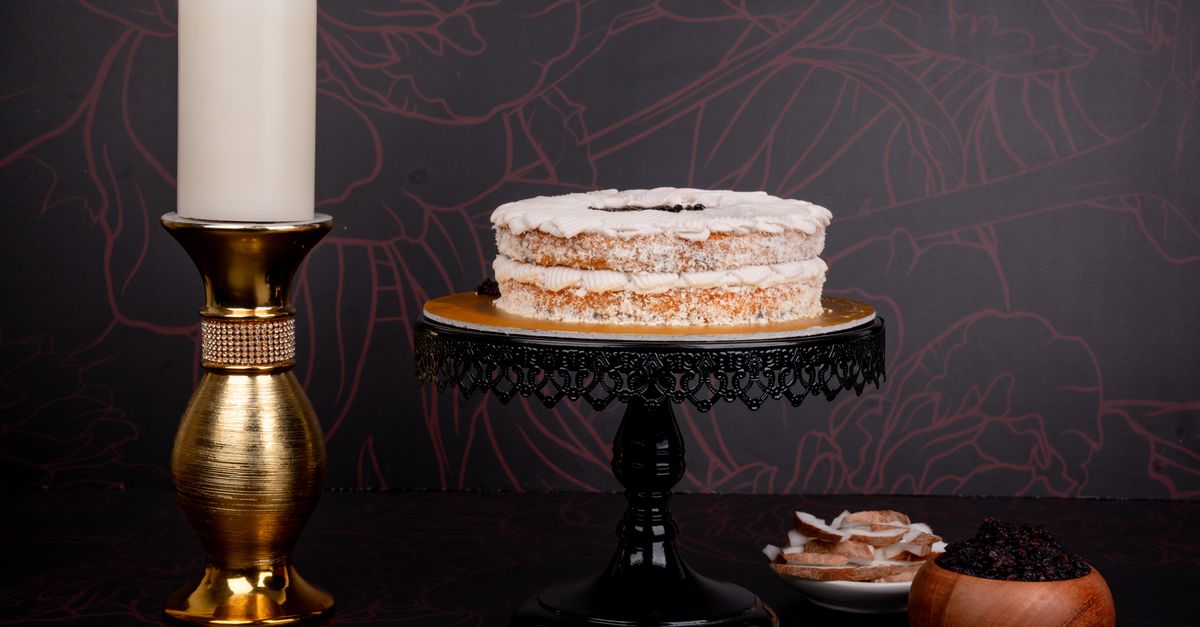
This month the test kitchen worked through three chiffon submissions from readers, each with a different problem: a cake that tore on unmoulding, one that shrank away from the pan, and one that tasted fine but felt heavy. The column records what each baker did, what the crumb showed, and which single change moved the result. It also explains why a tube pan and a lower oven shelf solve more chiffon problems than any change to the ingredient list.

See the test kitchen report